
Extraction in Riverview
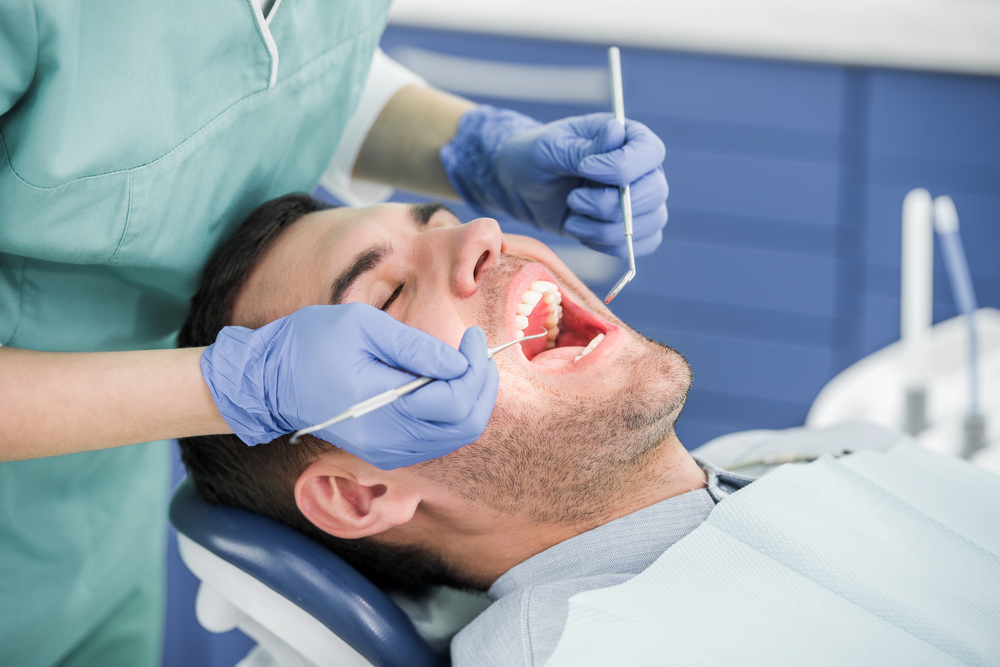
A tooth that aches every time you bite down, a wisdom tooth crowding the back of your jaw, a molar that cracked on something hard — these are the moments when removing a tooth stops being a last resort and starts being the healthiest path forward. For our Riverview patients, that decision is rarely made in a hurry. We look at the whole picture first, explain what we see, and only recommend an extraction when saving the tooth isn't realistic or won't serve you well over time.
An extraction simply means removing a tooth from its socket. We offer both simple and surgical extractions at our Woodhaven office at 22500 Allen Rd., a short, familiar drive for families in Riverview who'd rather not travel far for oral surgery.
A simple extraction is used when a tooth is fully visible above the gumline and has enough solid structure to grip. After numbing the area, we gently loosen the tooth within the socket and lift it out. This is the common approach for badly decayed teeth, teeth loosened by advanced gum disease, baby teeth that won't give way on their own, or teeth being removed to make room before orthodontic treatment or a denture.
A surgical extraction is needed when a tooth isn't fully accessible — it may be impacted, still partly under the gum, broken at the gumline, or have curved roots. Here we make a small opening in the gum tissue, and sometimes remove a small amount of bone or divide the tooth into sections so it can come out with less pressure on the surrounding area. Impacted wisdom teeth are the most familiar example. The difference between the two isn't about how serious your situation is; it's about access. Many patients expect a surgical visit and end up with a straightforward one, or the reverse — we'll tell you which to plan for beforehand.
Extraction is considered when a tooth is beyond repair or is actively harming the teeth and bone around it. Common reasons include deep decay that a filling, crown or root canal can't resolve, a fracture below the gumline, severe periodontal disease that has destroyed supporting bone, crowding, or wisdom teeth that have no room to erupt properly. Because we also provide root canal therapy, crowns and gum disease treatment, we can tell you honestly when one of those options is the better choice.
We see patients of every age, from children through adults and seniors, and we treat children with special healthcare needs. Riverview families often appreciate that the same practice handling a teenager's wisdom teeth also manages orthodontics, pediatric visits and routine cleanings. We also accept oral surgery patients without a referral, and we offer same-day emergency appointments when a tooth breaks or an infection flares unexpectedly.
What Your Visit Looks Like
We begin with an exam and X-rays so we can see root shape, position and the bone around the tooth. You'll get a clear explanation of what we found, which type of extraction fits, and what replacing the tooth could look like afterward — a bridge, a denture, or a dental implant. When bone volume is a concern for a future implant, bone grafting at the time of removal may be discussed.
Comfort guides how we work. The area is thoroughly numbed, and nitrous oxide sedation or IV sedation is available for patients who feel anxious or are having several teeth removed. Our comfort menu includes blankets, warm towels, neck pillows, headphones, Netflix and refreshments, and we speak Spanish in the office.
- A complimentary consultation to review your options before you commit
- X-rays and an exam to determine simple versus surgical removal
- Local anesthetic, with nitrous oxide or IV sedation available
- Written aftercare instructions and guidance on tooth replacement
- Same-day emergency appointments when the situation can't wait
Healing Well Afterward
Right after the procedure, a gauze pack and gentle pressure help a clot form in the socket — the foundation of healing. For the first day, skip straws, smoking and vigorous rinsing, stick with soft foods, and rest. Mild swelling and soreness are normal and respond to cold compresses and the pain management plan we give you. Surgical extractions typically involve a bit more swelling and a slightly longer recovery than simple ones, and may involve sutures.
Call us if bleeding doesn't settle, pain worsens after a few days, or you develop a fever. We'd always rather hear from you early.
Paying for Treatment
We accept all major PPO insurance plans and offer a complimentary benefits check so you know your coverage before treatment. Self-pay patients are welcome, and we take cash, checks, Visa, Mastercard and American Express.
Without insurance, our in-house membership plan is $199 a year for adults and $99 for ages 17 and under — no deductibles, no annual maximum, no waiting period, with exams, X-rays, two cleanings and two fluoride treatments covered at 100% and 20% to 50% off other treatment. CareCredit financing is also available for larger treatment plans.