
Bridges in Riverview
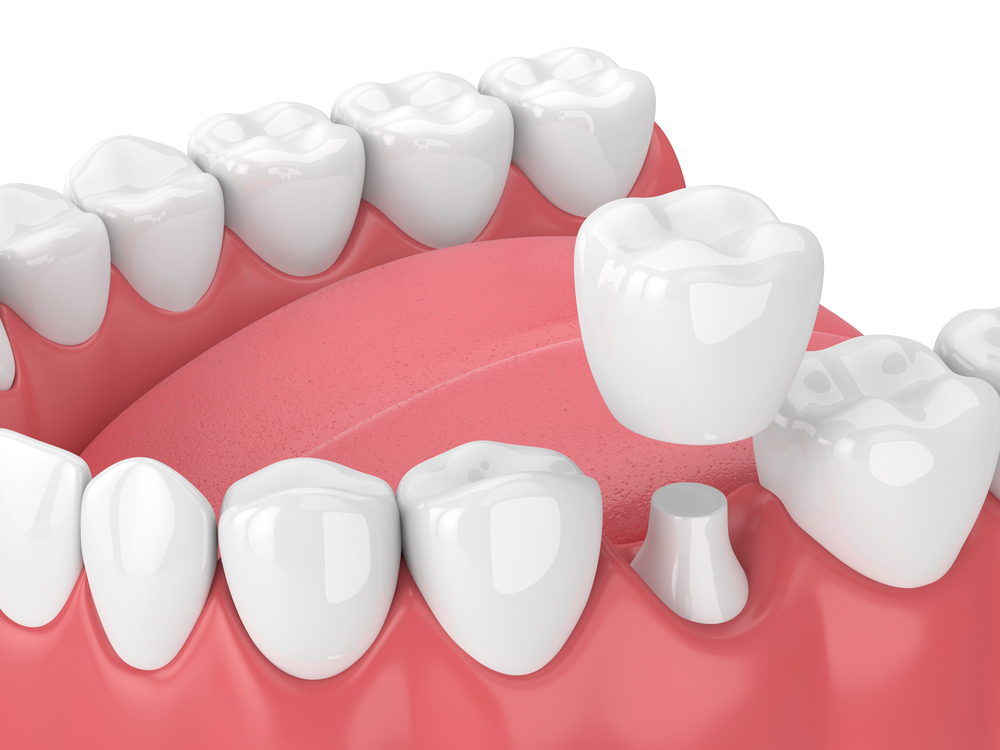
A missing tooth rarely stays a cosmetic issue for long. The teeth on either side of the gap begin to tip toward the empty space, the tooth above or below it can start to drift, and chewing shifts to one side of the mouth. A dental bridge addresses all of that at once by filling the space with a replacement tooth — called a pontic — anchored to the neighboring teeth or to dental implants. For our Riverview patients, that often means getting back to eating comfortably on both sides and smiling without covering their mouth.
A traditional bridge uses the two teeth beside the gap as supports. We shape those teeth to receive crowns, and the replacement tooth is fused between them so the whole piece seats as one solid unit. It's cemented in place, so it isn't removed at night the way a partial denture is. When the neighboring teeth already have large fillings or existing crowns, a bridge is often a practical way to restore them and replace the missing tooth in a single restoration.
We also place implant-supported bridges, where titanium posts rather than natural teeth carry the replacement teeth. This option can make sense when the adjacent teeth are healthy and untouched, or when more than one tooth in a row is missing. Because our practice provides dental implants, bone grafting, and oral surgery in the same office, Riverview patients don't have to be referred elsewhere to start the process and then return somewhere else to finish it. We talk through both paths — bridge, implant, or implant bridge — at a complimentary consultation so the choice is yours with full information.
Candidacy comes down to the health of what surrounds the gap. The supporting teeth need enough sound structure and healthy bone and gum tissue to carry the extra chewing load. If there's active gum disease, we usually treat that first with scaling and root planing or periodontal maintenance. If a supporting tooth has deep decay reaching the nerve, root canal therapy may come before the bridge. For implant-supported bridges, we evaluate bone volume and can discuss bone grafting when more support is needed.
The situations that bring Riverview patients to us vary widely. Some lost a tooth years ago to an extraction and have lived with the space. Some had a tooth fracture beyond repair and came in through our emergency appointments. Others are replacing an older bridge that has worn, loosened, or no longer matches the shade of their surrounding teeth. Teenagers and adults alike are seen here — we treat all ages, and our five doctors include general dentists, a board-certified oral and maxillofacial pathologist, and a board-certified orthodontist, so related concerns like crowding or bite alignment can be considered as part of the plan.
What the process looks like
- An exam, X-rays, and a conversation about your goals, budget, and timeline
- Shaping the supporting teeth and taking impressions or digital records
- A temporary bridge to protect the teeth and keep you comfortable while the final one is made
- Fitting the finished bridge, checking the bite and contacts, and cementing it
- A follow-up to confirm everything feels and functions the way it should
Our in-house dental lab is a real advantage here. Crowns, bridges, and other appliances are fabricated and adjusted on site, which shortens the back-and-forth that happens when work is shipped out. If a shade needs tweaking or a margin needs refining, it can often be handled the same visit instead of scheduling another trip from Riverview.
Caring for your bridge
A bridge is cleaned a little differently than natural teeth. Because the pontic sits against the gum with no root beneath it, floss has to pass underneath it — usually with a floss threader, a water flosser, or interdental brushes. Food and plaque that collect under the bridge are the most common reason a bridge fails over time, since decay can form on the supporting teeth where they meet the crown margin.
Regular cleanings and exams with our hygienist keep those margins monitored. If you grind your teeth, we can make a night guard in our lab to protect the restoration. Avoid chewing ice or using your front teeth on packaging, and call us promptly if the bridge feels loose or the gum around it becomes sore.
Insurance, membership, and financing
We accept all major PPO insurance plans and offer a complimentary benefits check so you know your coverage before treatment begins. Self-pay patients are welcome, and we take cash, checks, Visa, Mastercard, and American Express.
For Riverview patients without insurance, our in-house membership plan is $199 a year for adults and $99 for ages 17 and under. It covers exams, X-rays, two cleanings, and two fluoride treatments at 100%, with 20% to 50% off other treatment — no deductibles, no annual maximum, no waiting period. CareCredit financing is also available. Se habla español.