
Bridges in Trenton
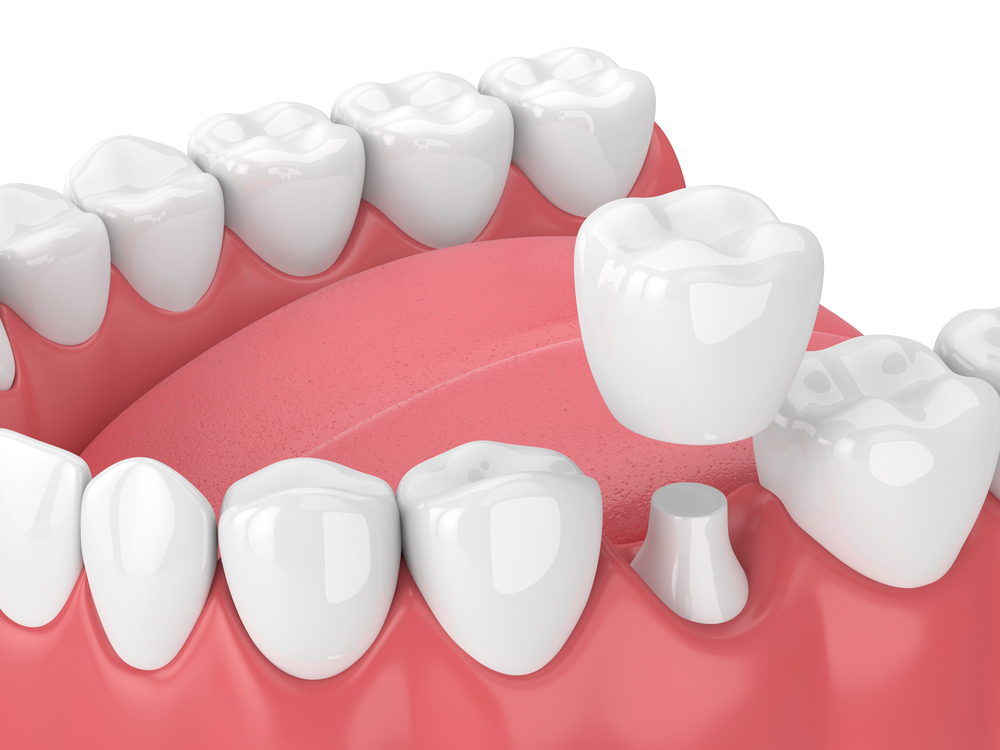
A missing tooth rarely stays a simple problem. The teeth on either side begin to drift toward the gap, the opposing tooth can over-erupt, and chewing shifts to one side of the mouth. A dental bridge closes that gap with a replacement tooth, called a pontic, anchored by crowns on the neighboring teeth — restoring the look of your smile and, just as importantly, the way your bite works together.
We care for Trenton families from our office at 22500 Allen Rd. in Woodhaven, a short trip for patients who want a bridge handled by the same team that already knows their dental history. Our five doctors include general dentists and a board-certified orthodontist, and we treat every age — so a Trenton parent can schedule a bridge consultation and a child's cleaning without juggling two practices.
One detail that matters most to our bridge patients is our on-site dental lab. Crowns, dentures, night guards and other appliances are made and adjusted here, which means fewer outside delays and the ability to fine-tune fit, shade and contour in person. We also offer same-day crowns, relines and repairs, so if something feels off, we can often address it while you're in the chair rather than sending work away and asking you to come back weeks later.
A bridge is usually a strong option when you're missing one tooth or a few teeth in a row and the neighboring teeth are healthy enough to serve as supports. It's a fixed restoration — it stays in your mouth rather than coming out at night — which many patients prefer over a removable partial denture.
Candidacy depends on what we find at your exam. Healthy gums matter a great deal, so if we see signs of gum disease, we'll typically recommend gum disease treatment, scaling and root planing, or periodontal maintenance before placing a bridge. If a supporting tooth is cracked or decayed, a filling, root canal therapy or a crown may come first. And if a tooth still needs to come out, we handle simple and surgical extractions in-house, along with bone grafting when it's indicated.
Bridges aren't the only path to replacing a tooth, and we'll say so plainly. We also provide dental implants, implant-supported dentures, and complete and partial dentures. During your complimentary consultation we'll walk Trenton patients through the realistic options side by side so the choice feels informed rather than rushed.
What to Expect During Treatment
Treatment usually takes two visits. At the first, we numb the area and reshape the two anchor teeth so crowns can fit over them, then take impressions or a digital scan and place a temporary bridge. At the second visit, we remove the temporary, seat the finished bridge, check your bite from every angle and cement it into place.
Comfort is a priority throughout. Our comfort menu includes blankets, warm towels, neck pillows, headphones, Netflix and refreshments, and we offer nitrous oxide sedation and IV sedation dentistry for patients who feel anxious about longer appointments. Se habla español.
Here's what Trenton patients can generally expect from a bridge:
- A fixed replacement tooth that doesn't come in and out
- Restored chewing on the side you've been avoiding
- Support that helps keep neighboring teeth from drifting into the gap
- A natural-looking result, with shade and shape refined in our on-site lab
- Two main appointments, with a temporary bridge in between
Caring for Your Bridge Afterward
A bridge lasts longest when the teeth and gums holding it stay healthy. Brush normally, and clean *under* the pontic daily with a floss threader, super floss or a water flosser — that space is where problems usually begin. Keep up with regular cleanings and exams with our hygienist, who will check the margins of the crowns and the gum tissue around them at every visit.
If you clench or grind, we can make a custom night guard in our lab to protect your investment. And if a bridge ever feels loose, rough or high when you bite, call us — we offer emergency dental appointments and would much rather see you early than after a small issue becomes a larger one.
Paying for Your Bridge
We accept all major PPO insurance plans and offer a complimentary insurance benefits check so you know your estimated share before treatment begins. We also welcome self-pay patients and accept cash, checks, Visa, Mastercard and American Express.
For patients without insurance, our in-house membership plan is $199 a year for ages 18 and up and $99 for ages 17 and younger. It covers exams, X-rays, two cleanings and two fluoride treatments a year at 100%, with 20% to 50% off other treatment — no annual maximum, deductibles, waiting periods or pre-authorizations. CareCredit financing is also available if you'd prefer to spread payments over time.