
Dental Sealants in Trenton
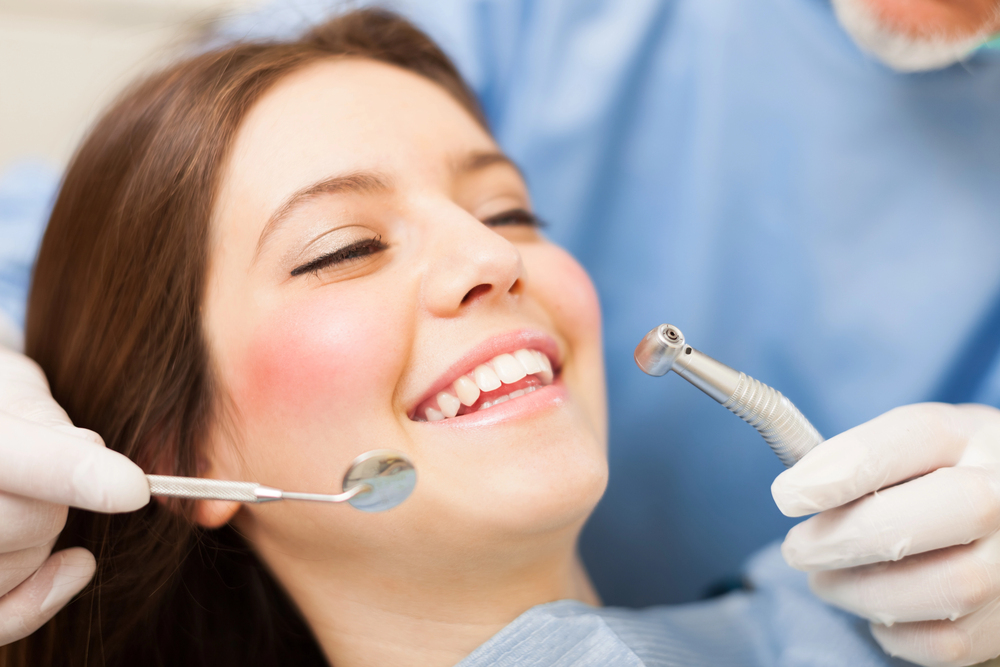
When your child's first permanent molars come in around age six, those chewing surfaces arrive with deep grooves that a toothbrush bristle simply cannot reach into. Food and plaque settle down in those pits, and decay can start long before anyone notices a problem. That's the exact situation dental sealants were made for — and it's one of the most common reasons Trenton families come see us at our office on Allen Rd. in Woodhaven, just a short drive from home, work, or school.
A dental sealant is a thin, protective coating painted onto the chewing surface of a back tooth. It flows into the pits and grooves, hardens into a smooth barrier, and keeps food debris and bacteria from settling where a brush can't clean. Think of it as sealing off the hiding places decay likes best, so the tooth surface becomes easier to keep clean day to day.
Sealants are a preventive measure, not a repair. They work best on teeth that are healthy and newly erupted, which is why we often recommend them shortly after permanent molars and premolars come in. We check sealant candidacy as part of a routine exam and cleaning, so Trenton families frequently leave a single appointment with cleaning, fluoride, and sealants all taken care of. Our hygienists are on staff and see patients of all ages, and our team treats children from age one through the teen years — including children with special healthcare needs.
Most of the Trenton patients we place sealants for are children and teenagers, simply because that's when the newly erupted back teeth are most vulnerable. But sealants aren't only for kids. Adults with deep, cavity-free grooves in their molars can benefit too, especially if they've had a history of decay in those surfaces or find certain teeth hard to clean thoroughly.
Here's what sealants offer the families we care for:
- A protective barrier over the deep grooves of back teeth, where decay most often begins
- A quick, comfortable, needle-free procedure with no drilling of healthy tooth structure
- A strong complement to brushing, flossing, regular cleanings, and fluoride treatment
- Protection that can be checked at each visit and reapplied if a sealant chips or wears
- A practical option for busy Trenton families who'd rather prevent a cavity than treat one
Not every tooth is a candidate. If a tooth already has decay or an existing filling, a sealant isn't the right answer — a dental filling or other restorative care would be. We'll tell you plainly what we see on the exam and X-rays, and recommend only what the teeth actually need.
What the Appointment Looks Like
The process is straightforward and usually takes just a few minutes per tooth. We start by cleaning and drying the tooth surface, then apply a conditioning solution that helps the sealant bond. After rinsing and drying again, we paint the liquid sealant into the grooves and cure it so it sets firmly in place. Finally, we check your bite and make any small adjustments so the tooth feels natural when you chew.
There's no numbing, no drilling, and no recovery time. Kids can eat and drink normally right afterward, and head back to school or activities the same day. Comfort matters to us at every visit, so our comfort menu — blankets, warm towels, neck pillows, headphones, Netflix, and refreshments — is available while you're in the chair. Our team speaks Spanish as well, so Spanish-speaking families from Trenton can ask questions and get answers in the language they're most comfortable with.
Caring for Sealants Afterward
Sealants hold up well under normal chewing, but they aren't indestructible. Chewing ice, hard candy, or sticky foods can wear or chip them over time. The best aftercare is simply consistent brushing twice a day, daily flossing, and keeping up with regular cleanings and exams so we can inspect each sealant and repair or reapply it if needed.
It's worth remembering that sealants protect the chewing surfaces only. The spaces between teeth and along the gumline still need flossing and professional cleanings, and sealed teeth can still develop decay elsewhere if home care slips.
Insurance, Membership, and Payment
We accept all major PPO insurance plans and offer a complimentary insurance benefits check, so you'll know what's covered before treatment begins. We also welcome self-pay patients and accept cash, checks, Visa, Mastercard, and American Express.
For Trenton families without dental insurance, our in-house membership plan is $199 a year for ages 18 and up and $99 a year for ages 17 and under. It covers exams, X-rays, two cleanings, and two fluoride treatments a year at 100%, with 20% to 50% off other treatment — no annual maximum, no deductibles, no waiting period, and no pre-authorizations. CareCredit financing is available as well, and we offer a complimentary consultation if you'd like to talk things through first.