
Root Canal Therapy in Trenton
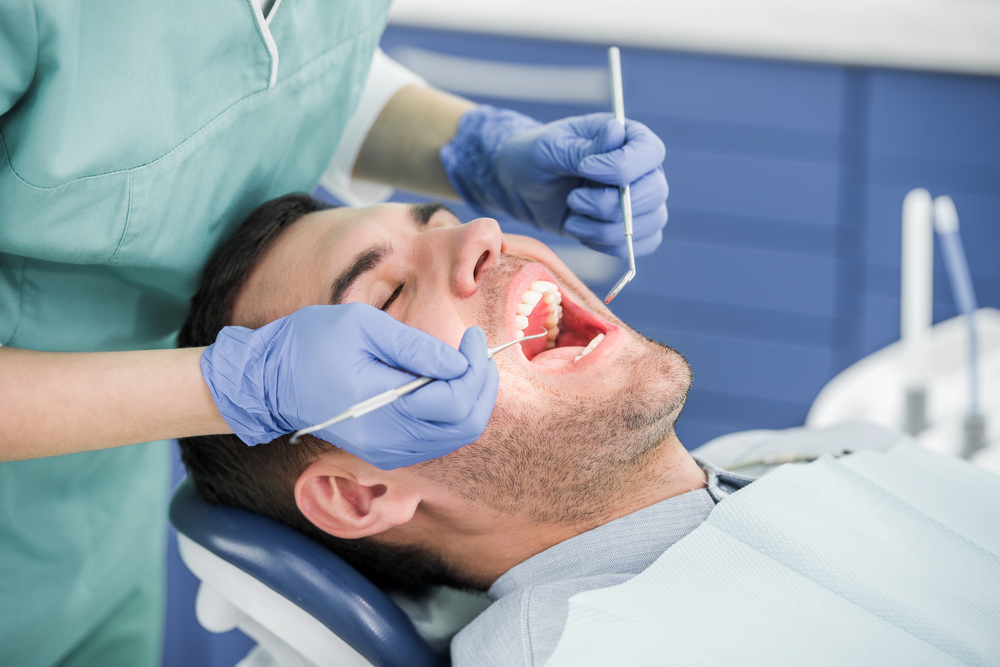
A tooth that throbs at night, aches when you bite down, or sends a jolt through your jaw when you sip something hot usually isn't going to settle on its own. When the nerve and soft tissue inside a tooth become inflamed or infected, the discomfort tends to build — and the tooth is telling you it needs attention. For our patients in Trenton, that's often the moment root canal therapy comes up, and it's far less intimidating than its reputation suggests. Our office at 22500 Allen Rd. in Woodhaven is a short drive for Trenton families, and we keep room in the schedule for same-day emergency visits so a painful tooth doesn't have to wait out the weekend.
Root canal therapy treats the inside of a tooth. Each tooth has a hollow canal system holding nerve tissue and blood vessels, and when deep decay, a crack, a failing filling, or trauma lets bacteria reach that space, the tissue becomes infected. We clean out the canals, disinfect and shape them, seal them, and then restore the tooth so you can chew normally again. The goal is simple: eliminate the source of the pain and keep your natural tooth in place rather than removing it.
That last point matters. A natural tooth root preserves bone and keeps neighboring teeth from drifting. While we also offer extractions, implants and bridges when a tooth can't be saved, saving the tooth you already have is usually the more conservative path. Signs that a root canal may be appropriate include lingering sensitivity to hot or cold, pain when biting, swelling or tenderness in the gums near a tooth, a darkening tooth, or a deep cavity found on an exam or X-ray. Some infected teeth cause no pain at all, which is one reason regular exams are worth keeping.
We provide root canal therapy for every tooth type, and the differences are mostly about anatomy. Anterior root canals treat the front teeth — incisors and canines. These generally have a single, fairly straight canal, which makes treatment more straightforward. They're also the teeth people are most concerned about cosmetically, so we pay close attention to the final restoration and shade.
Premolar teeth sit between the front teeth and molars and typically have one or two canals. They do real chewing work, so they often need a crown afterward to protect them from fracture. Molar root canals are the most involved: back teeth usually have three or more canals, sometimes with curves and branches, and they absorb the heaviest bite forces. Molar treatment takes longer and almost always finishes with a crown. Across all three, the steps and the comfort level are the same — only the time and complexity shift.
What Treatment and Recovery Look Like
Your visit starts with an exam and X-rays so we can confirm the diagnosis and talk through your options before anything begins. We numb the area thoroughly, place a small opening in the tooth, remove the infected tissue, clean and shape each canal, then fill and seal them. A temporary or permanent restoration goes on top. Because our in-house dental lab makes and adjusts crowns on site, the follow-up restoration often moves faster than it would elsewhere.
- Comfort first — nitrous oxide and IV sedation are available for anxious patients, along with blankets, warm towels, neck pillows, headphones, Netflix and refreshments
- Clear explanations before treatment, including what each tooth type involves
- Protective restoration — crowns for premolars and molars, and tooth-colored options for front teeth
- Same-day emergency appointments when pain can't wait
- Se habla español
Afterward, mild soreness for a few days is normal. We'll ask you to chew on the other side until the final restoration is placed, keep brushing and flossing as usual, and call us if swelling or discomfort increases rather than fades. A treated tooth with a well-fitted crown can serve you for many years, and routine cleanings with our hygiene team help protect it.
Paying for Care in Trenton
We accept all major PPO insurance plans and offer a complimentary insurance benefits check so you know your coverage before treatment. We also welcome self-pay patients and accept cash, checks, Visa, Mastercard and American Express.
Without insurance, our in-house membership plan is $199 a year for adults and $99 for ages 17 and under, with no deductibles, no annual maximum, no waiting period and no pre-authorizations. It covers exams, X-rays, two cleanings and two fluoride treatments at 100%, plus 20% to 50% off other treatment. CareCredit financing is available for larger plans, and consultations are complimentary — so Trenton patients can get answers before committing to anything.